
he global collagen peptides industry continues robust expansion amid booming demand for oral beauty, functional wellness, and sports nutrition worldwide. In 2026, the global market value reaches approximately USD 2.94 billion, with a steady compound annual growth rate of 8.34% projected through 2034, when the market is expected to surpass USD 5.57 billion. Rising consumer awareness of skin aging, joint health, and body recovery has become the core driving force for sustained industry growth.
From a regional perspective, North America remains the dominant market, holding over 35% of global consumption, supported by mature dietary supplement consumption habits and high acceptance of functional protein products. The Asia-Pacific region emerges as the fastest-growing market, accounting for nearly 44% of global demand. Driven by China, Japan, and South Korea’s oral beauty trends, the region continues to expand consumption volume and upgrade product structures.
In terms of raw material segmentation, bovine collagen peptides maintain mainstream market occupancy due to stable supply and cost advantages, widely used in mass-market health supplements. Marine-sourced collagen peptides represent the high-end track, enjoying a 25%–30% market premium for their low molecular weight, high bioavailability, and clean-label attributes. They are increasingly applied in premium skincare ingestibles and high-end functional beverages.
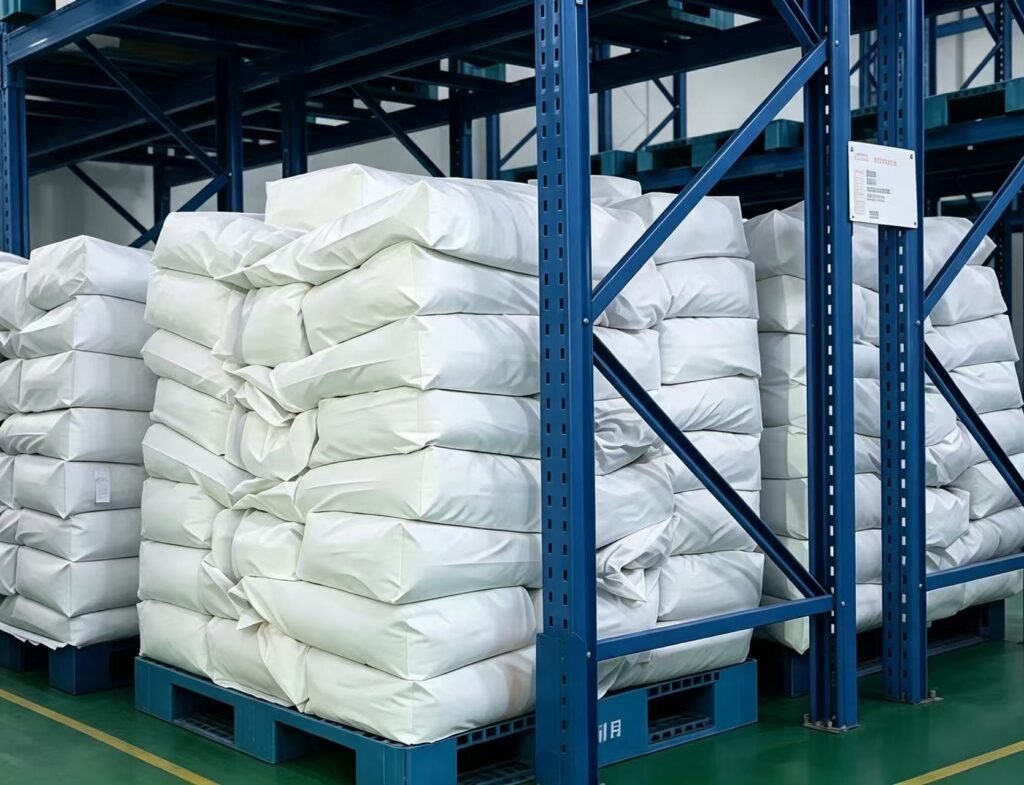
Product form diversification reshapes market competition. Traditional powder collagen still dominates B2B raw material trade, while finished products such as liquid drinks, chewable gummies, and capsules achieve rapid growth. Consumer groups are no longer limited to female beauty users; male demand for joint care and post-exercise muscle recovery has grown significantly, broadening the industry’s consumer base.
In the global supply chain and competition pattern, European and American traditional manufacturers control high-end brand channels, while Chinese manufacturers accelerate capacity release and global export layout. Domestic raw material substitution continues to advance, lowering global market pricing thresholds. At the same time, stricter regional regulatory standards for health claims, product safety, and traceability have become key barriers for cross-border sales.
In the future, low-molecular-weight purification, sustainable raw material sourcing, allergen-free formulas, and clean label innovation will become the core competitive directions of the global collagen peptide industry.