Core production technology (mainly natural extraction, focusing on purification and enrichment)
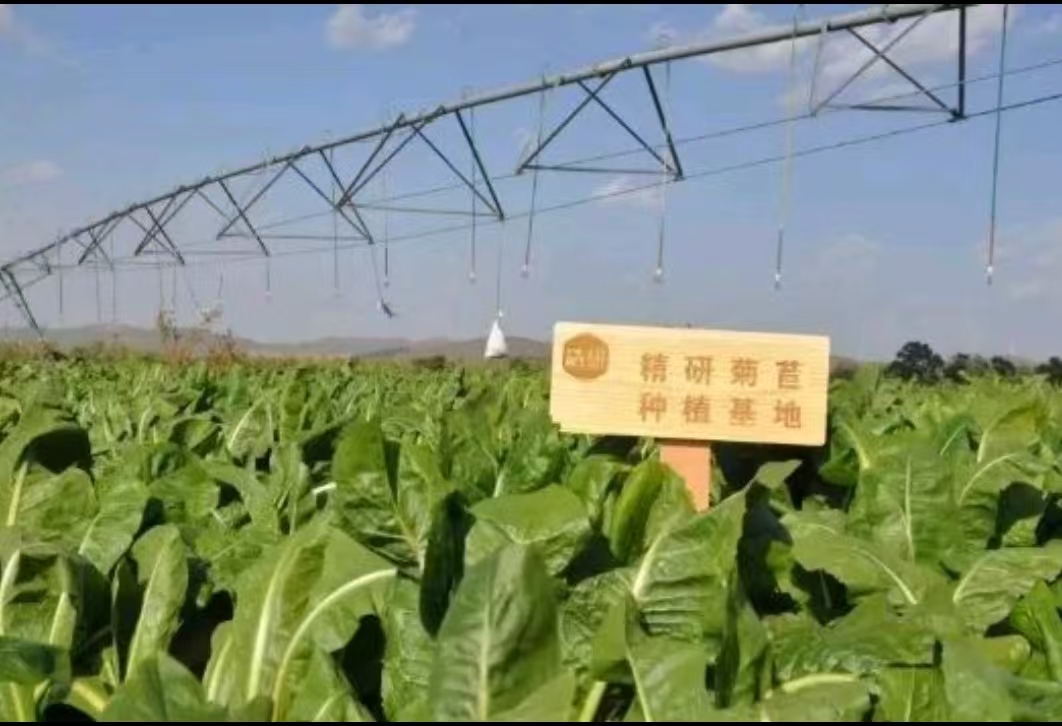
1.Raw material pretreatment: Jerusalem artichoke (Jerusalemnia) and chicory are used as core raw materials, which are cleaned and impurities removed, crushed, pressed/extracted with hot water (60-80°C, 2-4h), and inulin polysaccharide is fully dissolved.
2.Refining and purification: The extract is centrifugally filtered to remove residue, and then undergoes activated carbon decolorization, ion exchange desalination to remove impurities, and is concentrated to a solid content of 60%-70%. Small molecular sugars (glucose, fructose) are removed to improve purity.
3.Drying and molding: The concentrated liquid is spray dried (mainstream) or vacuum freeze-dried to obtain white powdery inulin. The industrial grade purity can reach more than 90%, and high-end products can be purified to 95%+.
Core functions and uses (natural prebiotic core, adapted to health needs in multiple scenarios)
1. Core functions Highly active prebiotic: It cannot be digested and absorbed by the human body. It specifically proliferates intestinal bifidobacteria and lactic acid bacteria, promotes the production of short-chain fatty acids, regulates the balance of flora, improves constipation/diarrhea, and strengthens the intestinal barrier. Sugar control, low calorie and fat loss: Calories are only 1-1.2kcal/g, glycemic index (GI) ≈7, does not increase blood sugar, does not stimulate insulin secretion, increases satiety, reduces caloric intake, and is suitable for people who control sugar/fat. Natural functional characteristics: good water solubility, strong temperature resistance (suitable for low/medium temperature processing), thickening, emulsifying, improving food texture, and improving the absorption rate of minerals such as calcium and magnesium.
2. Mainstream uses Food processing:
① Beverages (yoghurt, plant milk, low-sugar beverages): Stable thickening, supplementing prebiotics, optimizing smooth taste;
②Baking/snacks (sugar-free biscuits, meal replacement bars): replacing part of sugar and oil, increasing dietary fiber content;
③Dairy products: Probiotics are used to make fermented milk to synergistically strengthen intestinal health. Health field: As a core raw material, it is added to dietary fiber supplements, sugar-free meal replacements, and special foods for diabetes. It can also be used in weight management products to help control calories and satiety. Special fields: used in infant food supplements and nutritional foods for the elderly, mildly promoting digestion and reducing metabolic burden; it can also be used as a natural sweetness regulator, used with high-power sweeteners to optimize the taste of sugar-free foods.