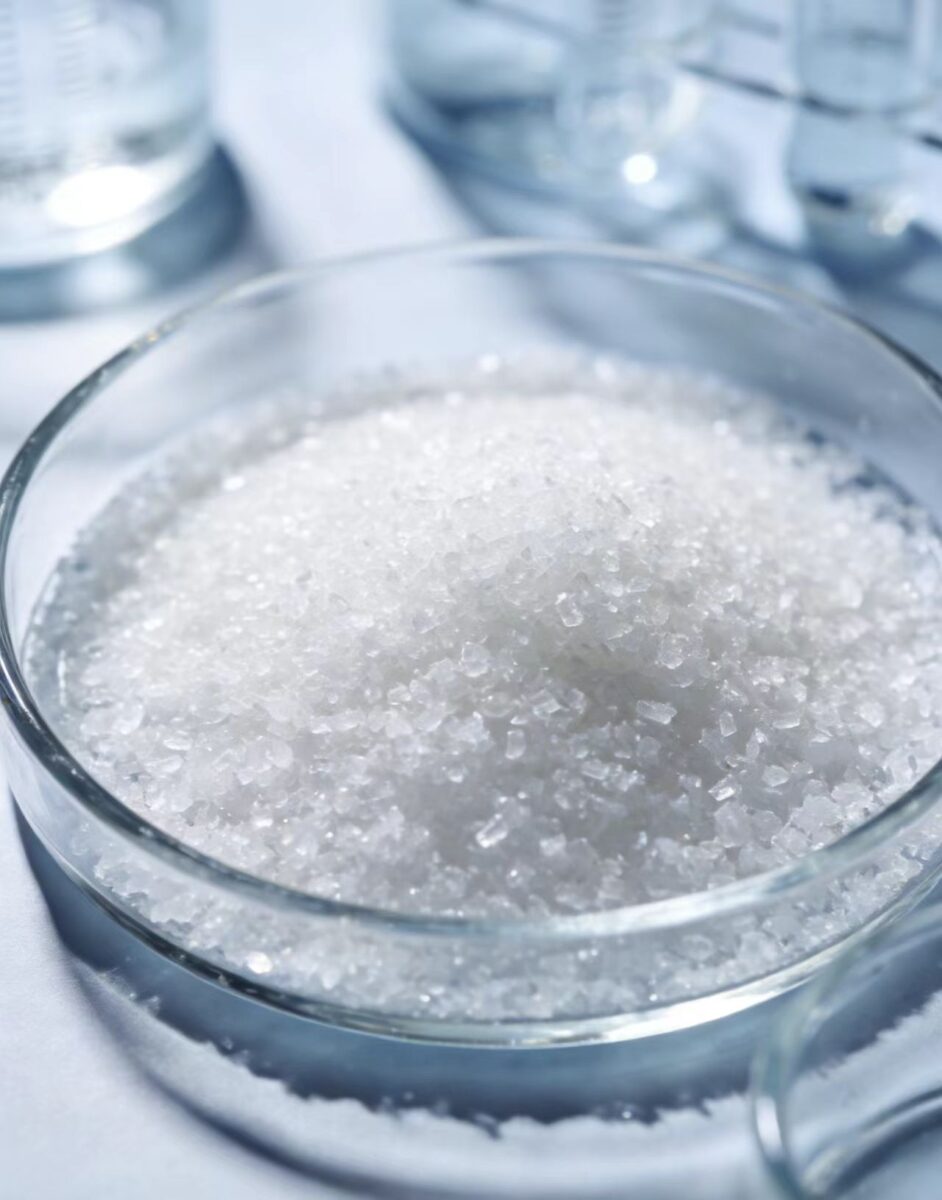
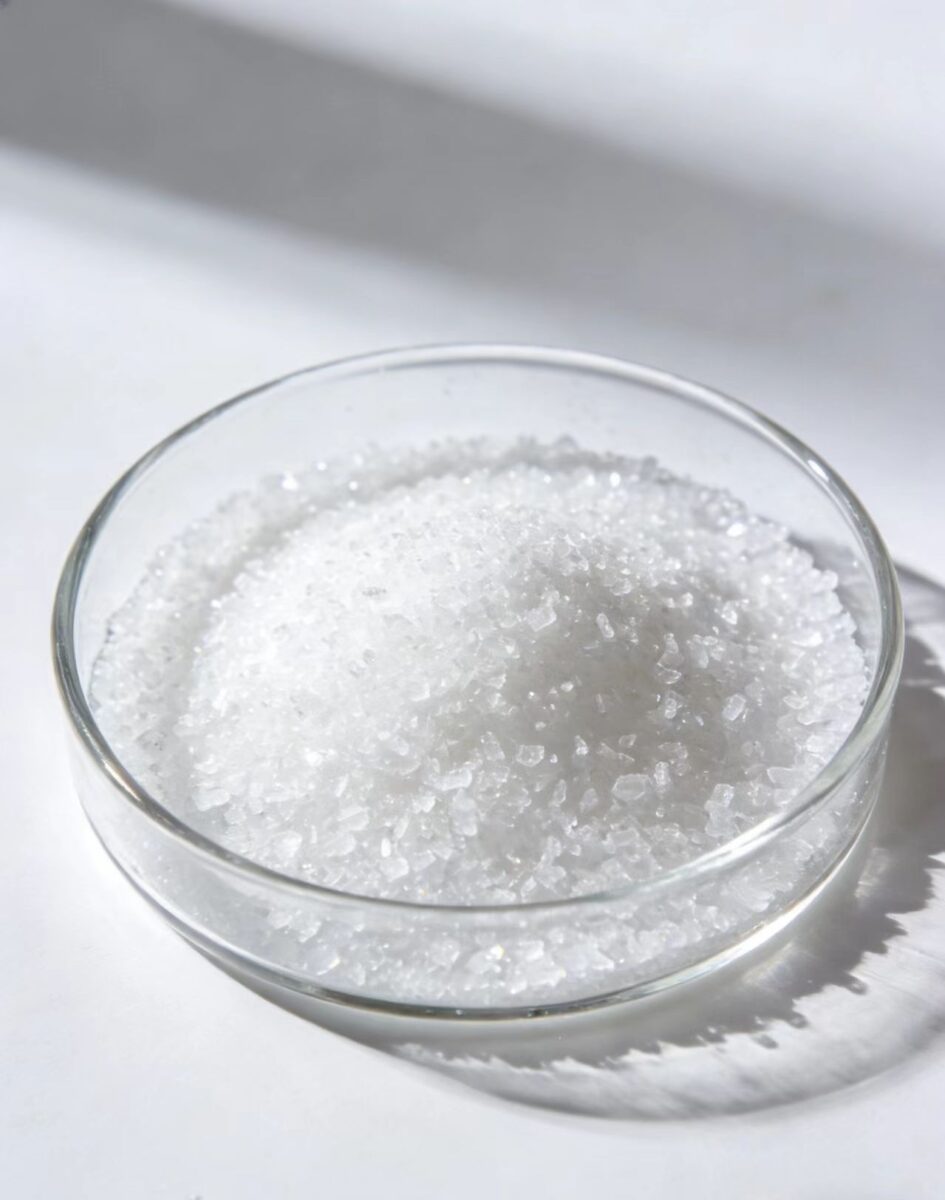
Sucralose is a highly potent artificial sweetener that does not occur naturally and is produced through chemical synthesis. Unlike natural sugars, it is highly sweet and virtually calorie-free, providing a rich sweetness while meeting the needs of a low-carb diet.
Features:
Approximately 0 kcal per gram
Approximately 600 times sweeter than sucrose, with a pure sweetness similar to sucrose and no noticeable aftertaste
Good solubility: Stable in water and most food matrices
Excellent thermal stability: Resistant to degradation during high-temperature processing (such as baking and sterilization), suitable for a variety of processing techniques
Applications:
1.Beverages (carbonated beverages, juices, teas, etc.)
2.Baked goods (bread, biscuits, cakes, etc.)
3.Dairy products (yogurt, milk beverages, ice cream, etc.)
4.Tabletop sweeteners (packaged or bottled sweeteners)
5.Jams, jellies, candies, and other sweets
Storage and Shelf Life:
1. Store in a dry, cool place away from odorous or volatile materials. Protect from moisture, water, and direct sunlight.
2. Shelf life is 24 months from the date of production.
Certification Information:
China: Listed in the “Standard for the Use of Food Additives” (GB 2760), allowing its use in various foods within specified limits, clarifying its legal status in food processing.
United States: Approved by the U.S. Food and Drug Administration (FDA), it is designat ed as a Generally Recognized as Safe (GRAS) substance and can be used in a variety of foods and beverages.
European Union: Approved for use as a food additive under the designation E955, it adheres to uniform usage standards and limits across EU member states.
World Health Organization (WHO): Following evaluation by the Joint Expert Committee on Food Additives (JECFA), an Acceptable Daily Intake (ADI) has been established, recognizing its safety within appropriate use.